Melnik


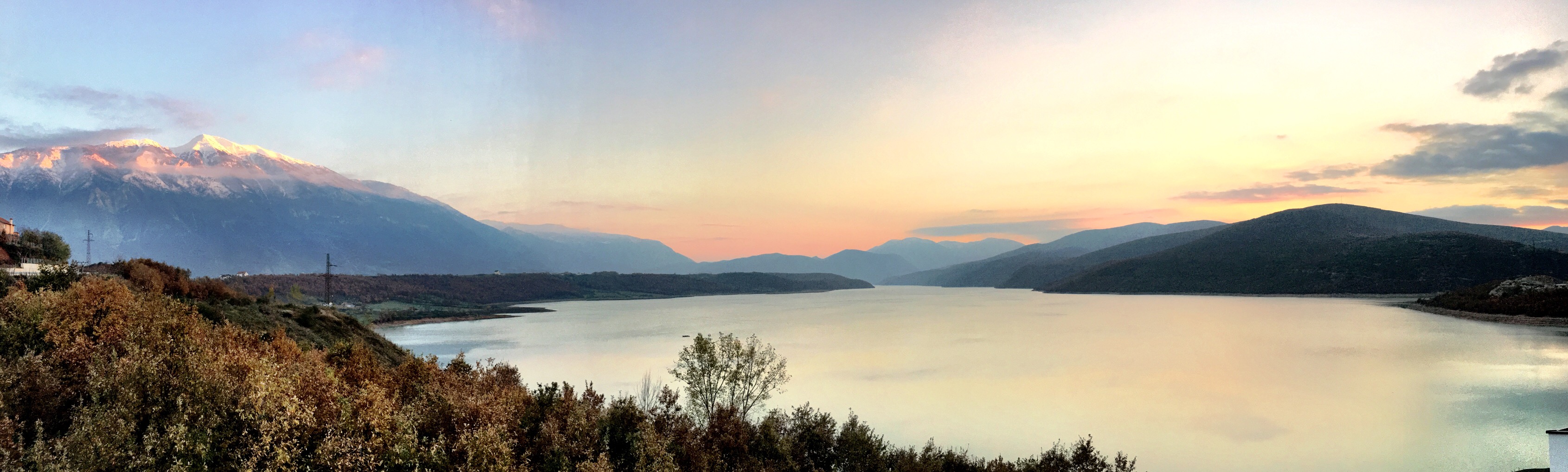
“OMG THERE’S SNOW!” Yelled Jodon as he stood at our window over looking the small town of Melnik. “What??” I crashed my way across the hotel room to look outside. Our hotel was perched on the side of a hill right in the middle of the one-street town of Melnik. Our bedroom window looked out over the rooftops of the restaurants in the city. From where we were, we could pretty much see the entire town. It was our first morning in Melnik, and overnight it had snowed. The little rooftops, the river bank, the trees and the mountains were all lightly dusted with snow. It was like a perfect little Christmas village. 

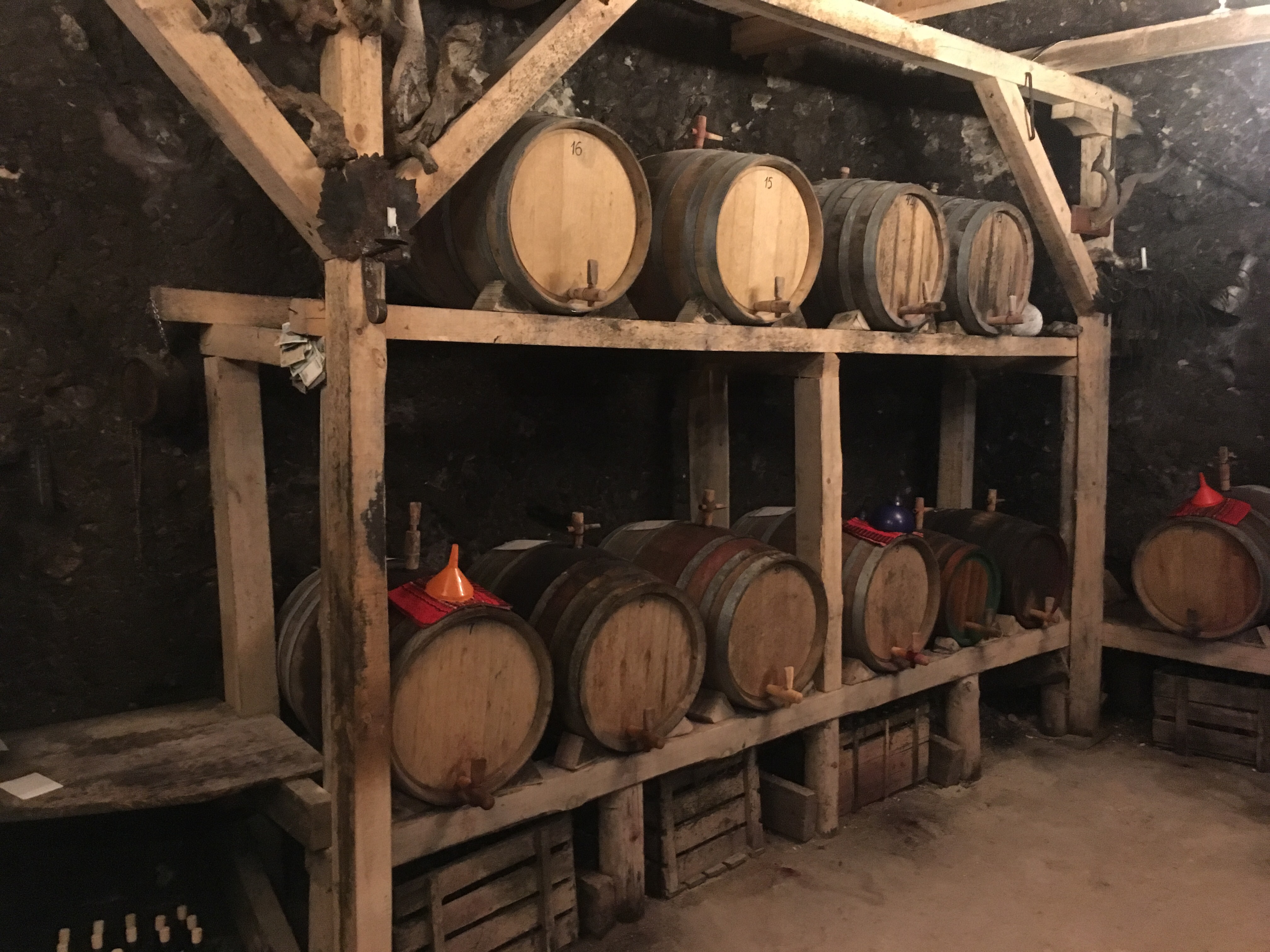
With less than 300 residents, Melnik is the smallest city in Bulgaria. It also happens to be the wine capital of the country. The town is just one street long. One street filled with micro-wineries, restaurants and little shops that sell homemade jams and honey. The town is nestled in a small valley between jagged beige mountain peaks. A few of the wineries have spent years carving out small caves in the mountainside in order to store their wines at perfect temperatures. Low tables with traditional linens and short wooden stools are set among the barrels. Visitors are encouraged to sit, relax and taste the young wines straight from the tap. It’s freakin’ adorable. 

Most of the restaurants in the city also serve their own wine: something grown and bottled just a few kilometres away on a hectare or two of land. The wine is stored in label-less bottles or in plastic jugs by the litre and served in large glass decanters. The restaurants all look like traditional hunting lodges. Wood panelled rooms, with mounted taxidermy stag heads and antler furniture. The rooms are dimly lit and filled with antique decor. Hunting rifles hang on the wall along with countless bottles of aged wine. Bulgarian folk music wafts through the room. Everything feels cozy and warm; a welcome escape from the falling snow outside. 

We joked that during our stay in Melnik we supported every family in town. The place was deserted. As far as we could tell, we were the only tourists in town. We walked up and down the empty streets leaving only our own footprints in the snow. Locals looked surprised to see us as we stomped in from the cold to join them for a glass of wine or a hot lunch. They scrambled up from their chairs, adjusted their clothes and hair and put on a smile as we entered. I bet sometimes days go by without any customers at all. We drank wine at one restaurant, then had lunch at another. We stopped at the different museums, and tasted wine in the mountain caves. We bought wine from one shop and jam from the next. At the end of our two days we figured we’d hit nearly every building in the city. 

It was a perfect way to spend the last days of our trip together. Melnik was our last stop in Bulgaria and our last stop travelling just the two of us. To end off our adventures, we were meeting up with Kelsey and Peter for some fun in Greece before heading home for Christmas. Until next time Bulgaria! 

Vegas of the Balkans


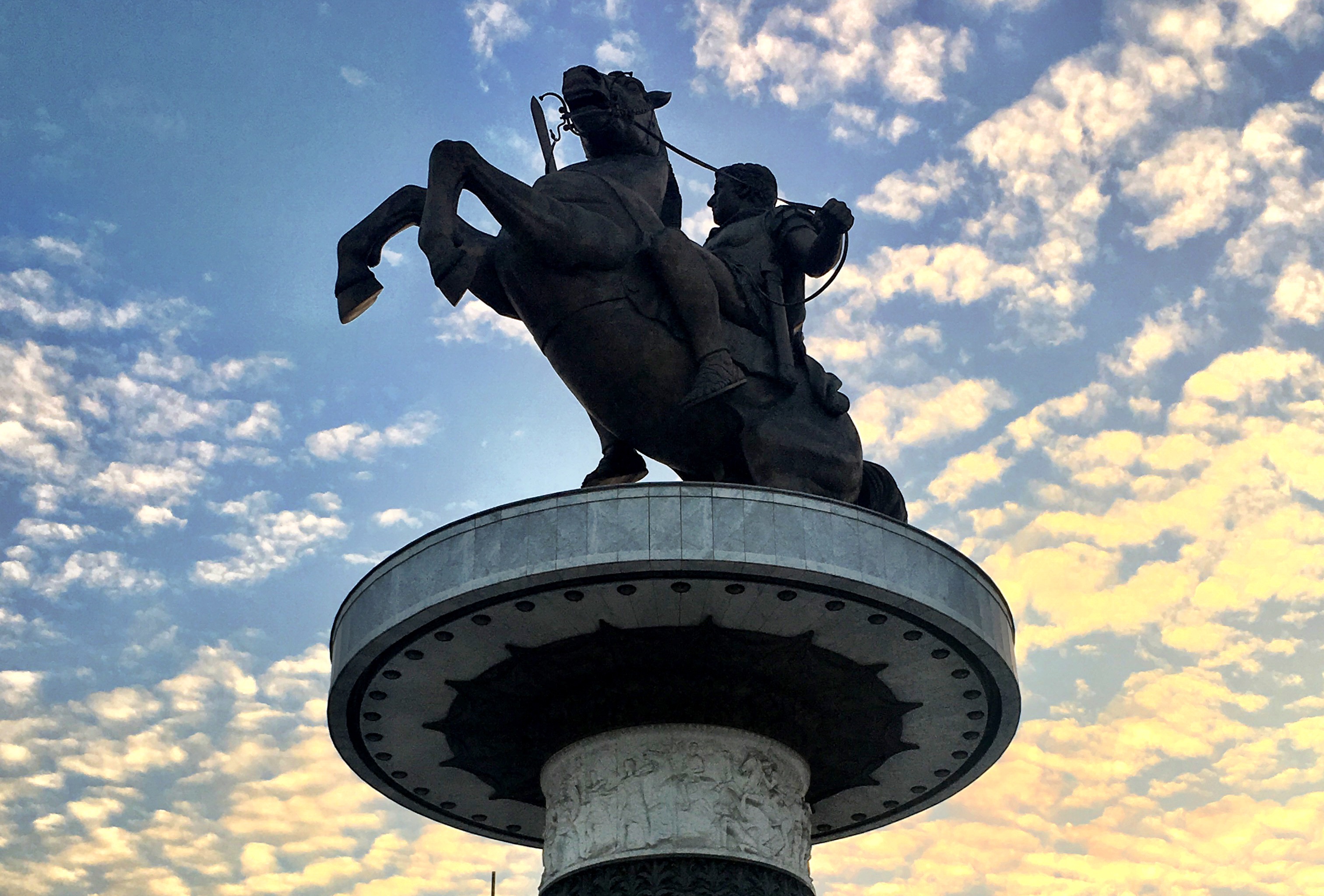
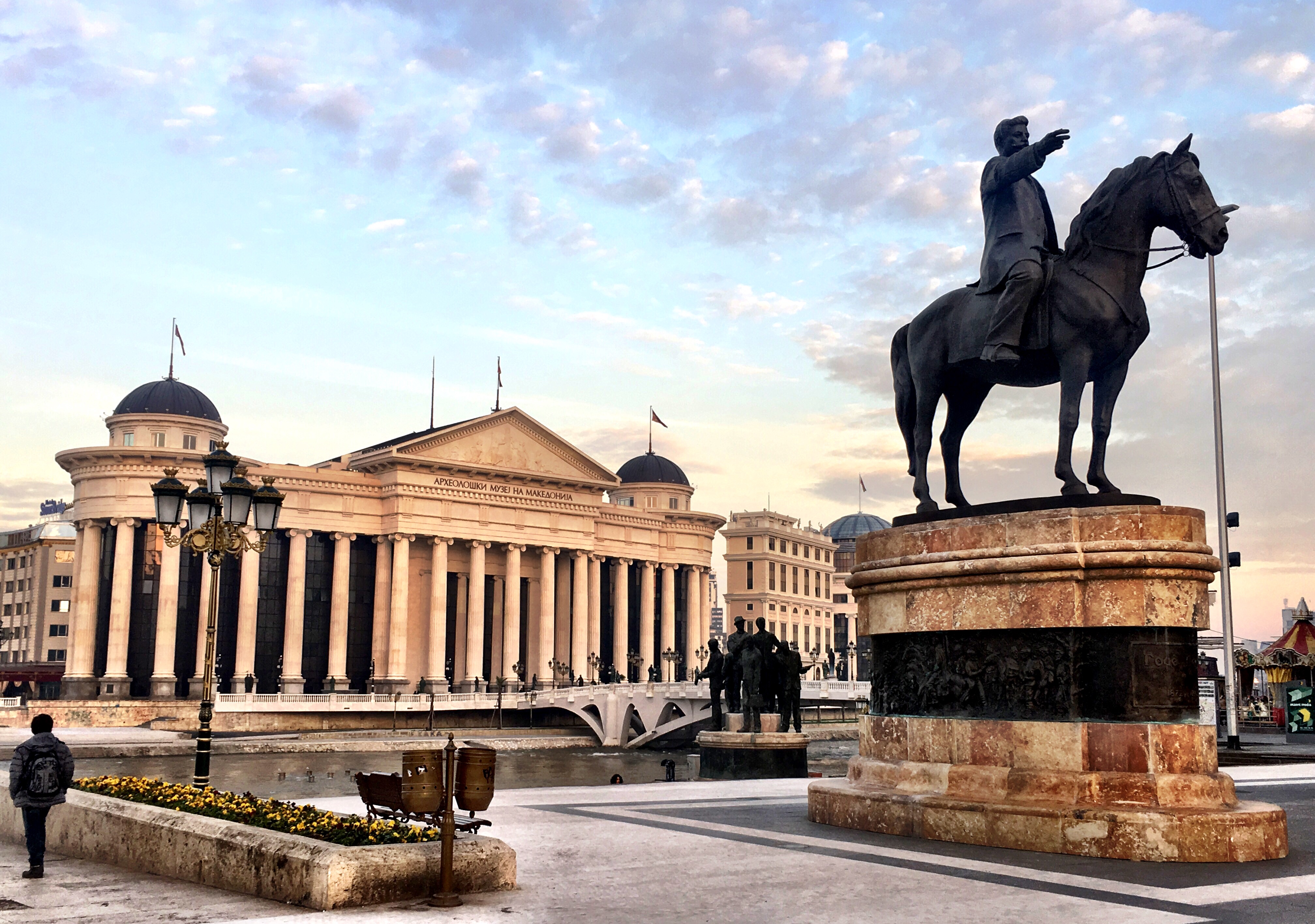
“What IS this place?!” I said as we walked along Macedonia street toward the main square. In front of us, high above the trees, was a massive bronze statue of a warrior on a horse. The area opened up into an expansive plaza covering over 18500 square feet. Along its edges were towering, Greek style buildings faced with rows of thick ionic columns. High end hotels, a shopping centre, a museum, and important looking office buildings edged the decorated plaza. All the while, soft elevator tunes emanated from lamp posts and filled the air with music. 

A river runs through the centre of the square, separating the old bazaar from the new town. In the river are three full-sized pirate ship replicas; the ships have been transformed into fancy restaurants a hotel and a casino. And everywhere you look there are statues. So. Many. Statues. We dubbed Skopje “The Vegas of the Balkans” and apparently we weren’t the only ones. 

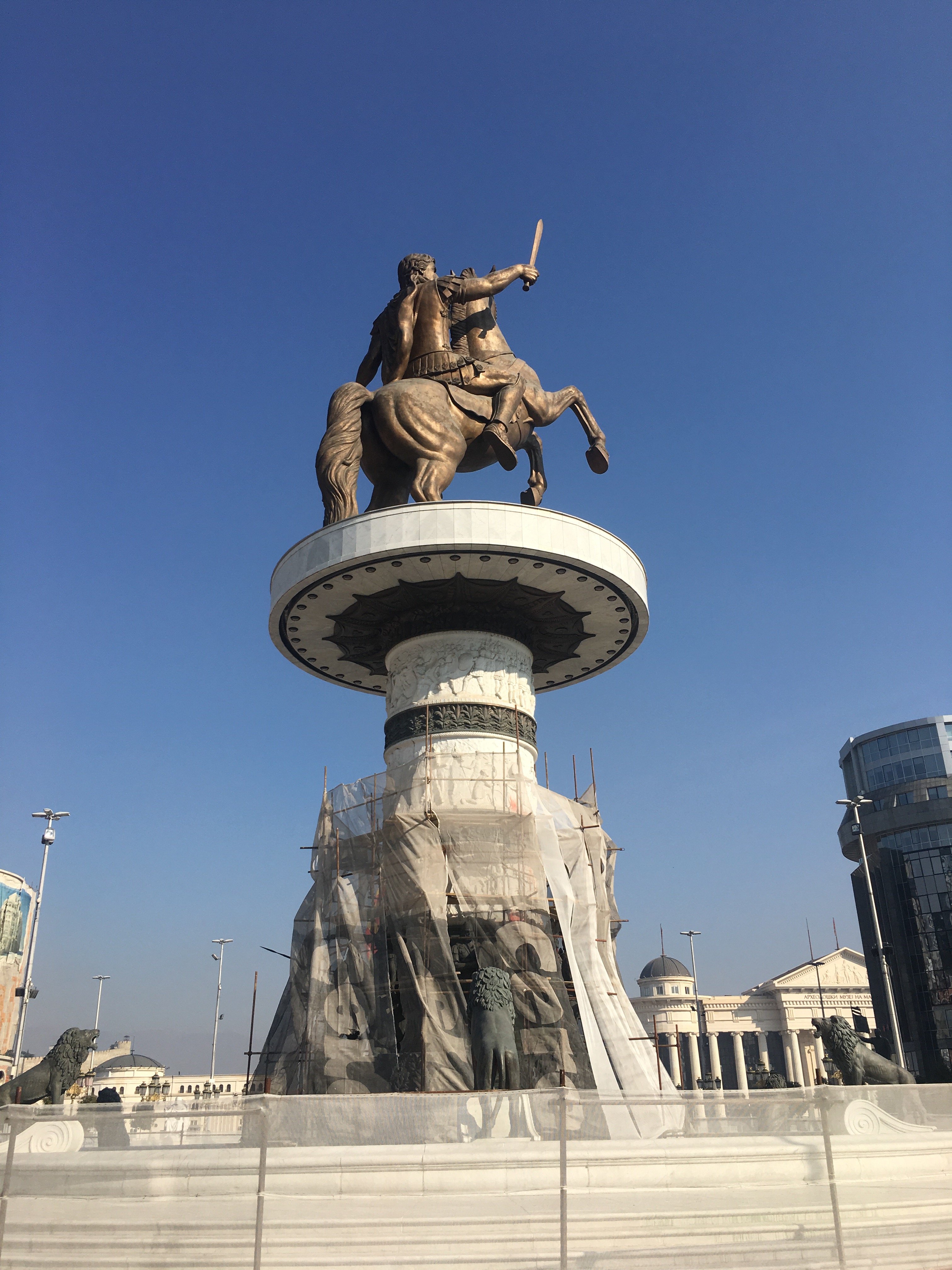
The statue of the warrior on the horse turned out to be Alexander the Great. Although that name is always said with a sly grin here in Skopje. The contempt that exists between Macedonia and Greece is insane. The Greeks will forever claim the name to Macedonia, and are appalled that the country wants to claim Alexander the Great as their national hero. In fact, they are so upset about it, they won’t even consider the country joining the EU unless it changes its name. But Macedonia could care less. When Greece was going through their recession, they took advantage of the situation and built a statue of Alexander the Great (officially referred to as “Warrior on a Horse”). This was to be the greatest statue of Alexander in the whole world. The statue stands at an impressive 8 storeys high (nearly 100 feet). It is made of Bronze, sits above a fountain surrounded by life-sized carvings of lions, and cost $13.5 million USD. But with the financial crisis in Greece, there was no way they could compete. Macedonia’s foreign minister stated “This is our way of saying [up yours] to them”. 

The statue was one of MANY erected in a project called “Skopje 2014”, the Prime minister’s attempt to modernize the capital and create a sense of national identity. It was projected to take 4 years and cost 80 million euros. To date, it’s been 6 years and is projected to cost over 1 billion euros by the time it is finished.

Although the consensus is that most citizens HATE the project and find it both hubristic and wasteful of tax dollars, it has definitely left an impression on Skopje. The city is unlike any I’ve ever seen. Prime Minister Gruevski has replicated some of the most impressive parts of the world and placed them together. An Arc du Triomphe, faux-classical architecture, figures of famous rulers from around the world, and soon, a replica of Rome’s Spanish Steps. Our tour guide called it “Copy-paste” syndrome. He says he prays every night that the Prime Minister never visits Venice or else all the streets will be torn up and replaced with canals!

I’m not sure if anyone can count how many statues there are in and around the city of Skopje (and even if you did, new ones are added all the time). I counted 21, life-sized statues on a SINGLE BRIDGE. If you count the three standing at the end of the bridge, the 20 or so on the roof of the two buildings, the 10 that run along the river side connecting the next bridge, and the 21 on the next bridge over, you have 75 statues within a single block! We’d heard Skopje was the city of statues, but not even we were prepared for this kind of over-the-top display. 

I vote Skopje as the most unique city in the Balkans. Other travellers have mixed views on the city: some like the over-the-top nature and others find it too kitschy. But, regardless of their view, everyone agrees that if you’re in the area, you HAVE to see it. 

Prizren


Driving through the Albanian Alps was the first time I’d seen snow on the trip. The mountains looked unreal, floating above a layer of fog, delicately capped with snow. 

“Look!” I yelled at Jodon over headphones. “The mountains!”

It was exciting seeing real mountains again: jagged, snowy, treacherous mountains. It felt like home, it felt like winter. But it also came with a reality I was not prepared for: things were about to get very cold. 

It was zero degrees as we stepped off the bus into the dark streets of Prizren, Kosovo. I did NOT pack for this. If it was possible, our hostel room was colder than the outside world. Central heating is practically non-existent in Prizren. All of the homes and restaurants have wood-fired stoves that act as warmth for the rest of the space. Standing next to it is wonderful. The stove lets off a lot of warmth, and the burning wood makes the whole place smell like Christmas. But dare to walk into the next room and you might as well be a giant human popsicle! 

Luckily for us, however, the forecast called for sunshine and a high of 8 degrees during the day. Combine that with a hike up the mountain and the cold became tolerable. Which was good, because Prizren is too beautiful to miss. 

Prizren is small. It’s easy enough to see the highlights in just a few hours, and spend the afternoon eating 1 Euro bureks and reading a book over a hot mug of apple, quince kompot. 

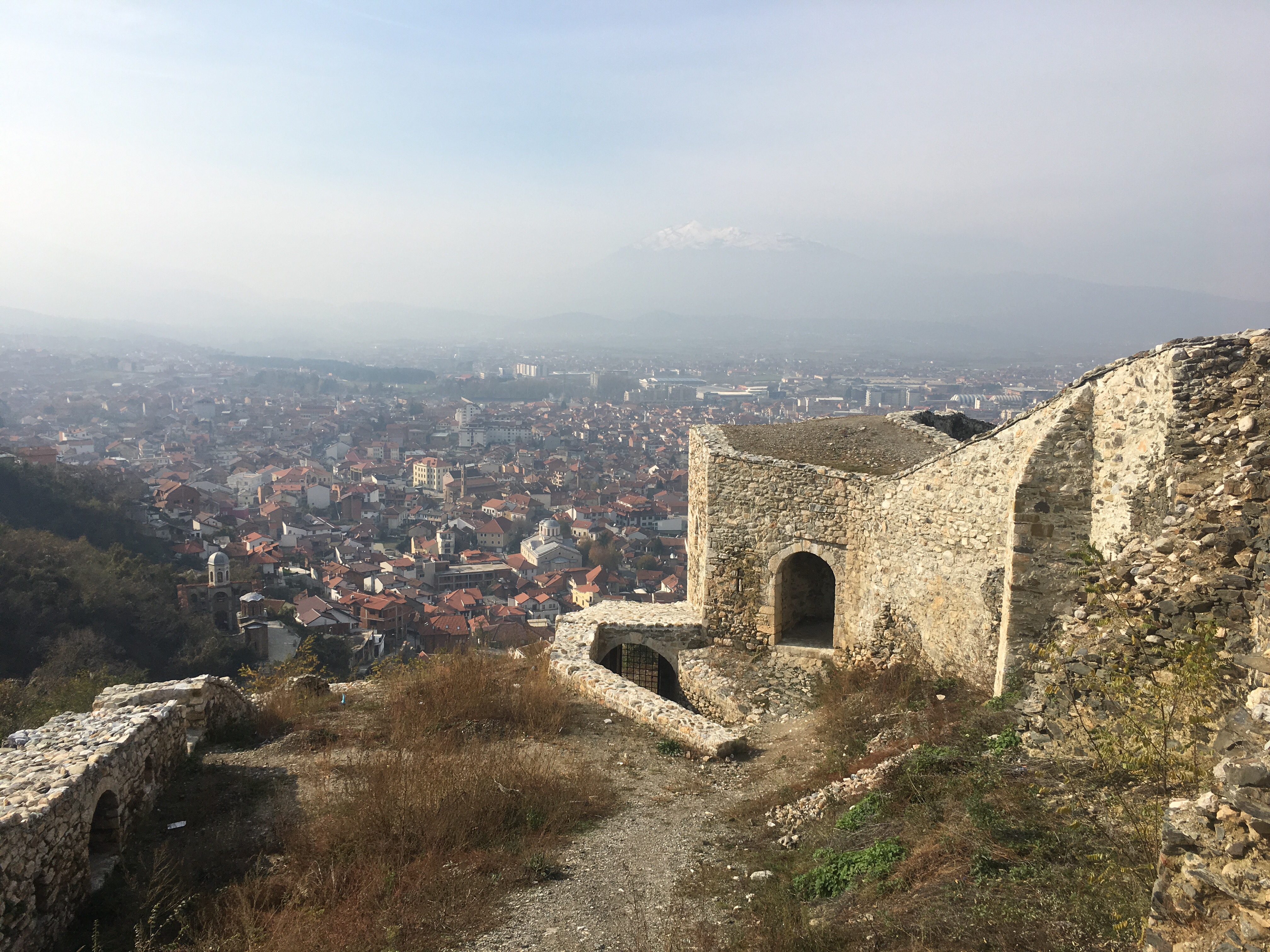
My favourite sight was Dusan’s Fortress, a medieval fort on top of a hill that once served as the capital of the Serbian Empire. It’s only a 15 minute walk to reach the fortress gates, but the view is spectacular. From the walls of the fort you can see the whole expanse of Prizren (much larger than I would have thought). The small river running through the centre of town with its rows of old stone bridges, the multitude of minarets that cut into the city’s skyline, and snowy Pashtrik mountain in the distance: Prizren is not lacking in beauty. We arrived at the fortress just as the call to prayer began. The sounds of a dozen or so dueling mosques bounced around the city in a cacophonous echo. We sat on the edge of the wall, taking in what little warmth there was and listened to the prayers below. 

These days the sun sets early in the Balkans. By 4:30 the light is gone and the temperature dips below freezing again. It took all of my effort just to make it to dinner. We spent our evenings huddled up in coffee shops and sharing beers with new friends.  

Our time in Prizren, albeit short, made me want to explore more of Kosovo. The area has such an intense history and yet the people are some of the nicest we’ve met on our trip (The hostel owners at Driza’s House were incredible!). We heard that the capital, Prishtina, is WELL worth the trip, and yet, time is sadly not on our side. Our journey south must continue. Onward to Macedonia!

Albania


I dare you to look up “Albanian Beaches” on google image search: they’re breathtaking. Turquoise gems in an untouched land. Secluded sandy coves, long stretches of teal, and Mediterranean perfection. And if that’s not enough to make you hop on a plane to the southern Balkans, then the sweeping expanses of Albania’s Accursed Mountains will definitely do the trick. I saw a photo of Albania 8 months ago and fell in love. How did one of the cheapest and most beautiful countries in Europe not come up on my radar sooner? It was my new obsession. And as fate would have it, as we bounced our way over rocky highways and into long-awaited Albania, I ticked off another bucket list item: to reach 50 countries before my 30th birthday. It was going to be a good day.

Shkoder was the perfect way to begin our stay. The little city in northern Albania is filled with lively cafe’s and bars lined up along a cobbled pedestrian street. The locals were the friendliest people we had met in the Balkans, and the cuisine was exquisite! Just beyond the city is a medieval fortress perched on a hilltop overlooking the expansive plains. To the north, the misty waters of Lake Shkoder serve up freshwater fish served at all the local restaurants in town. The place was wonderful.

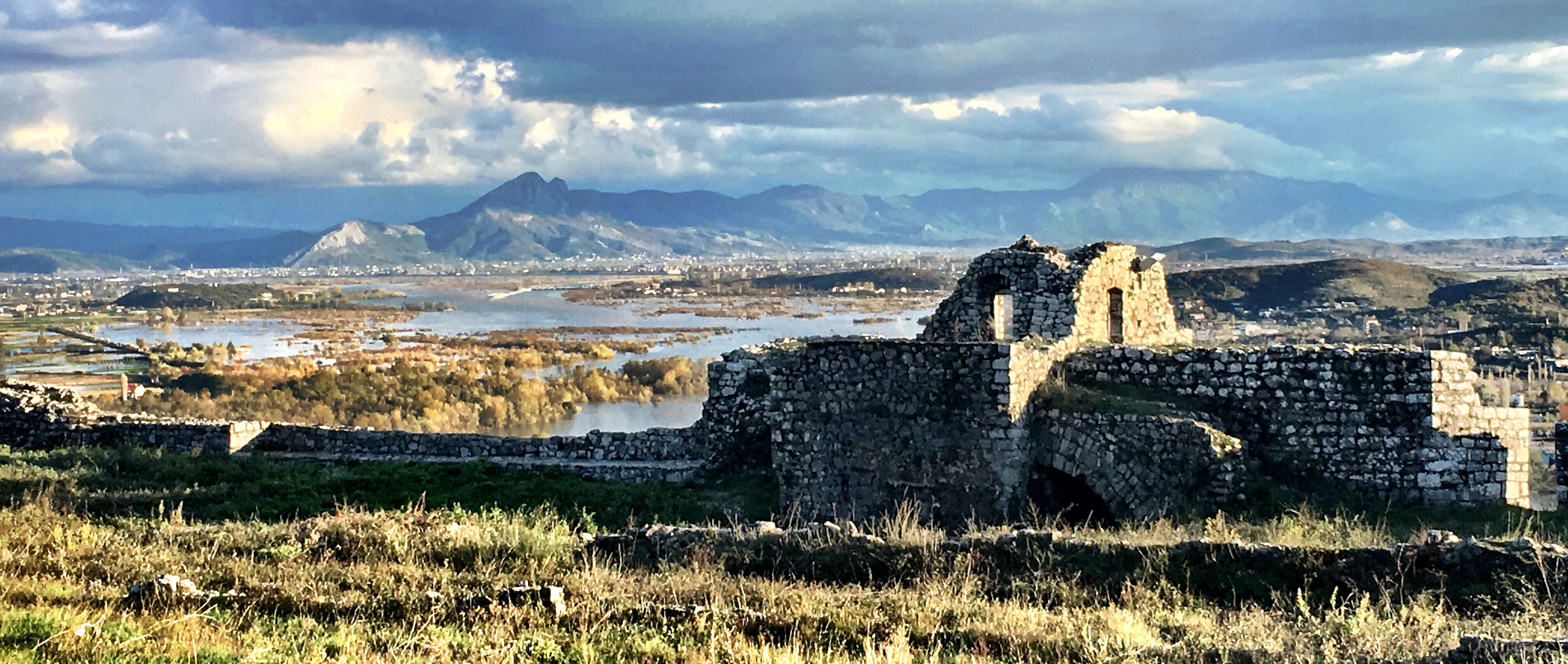
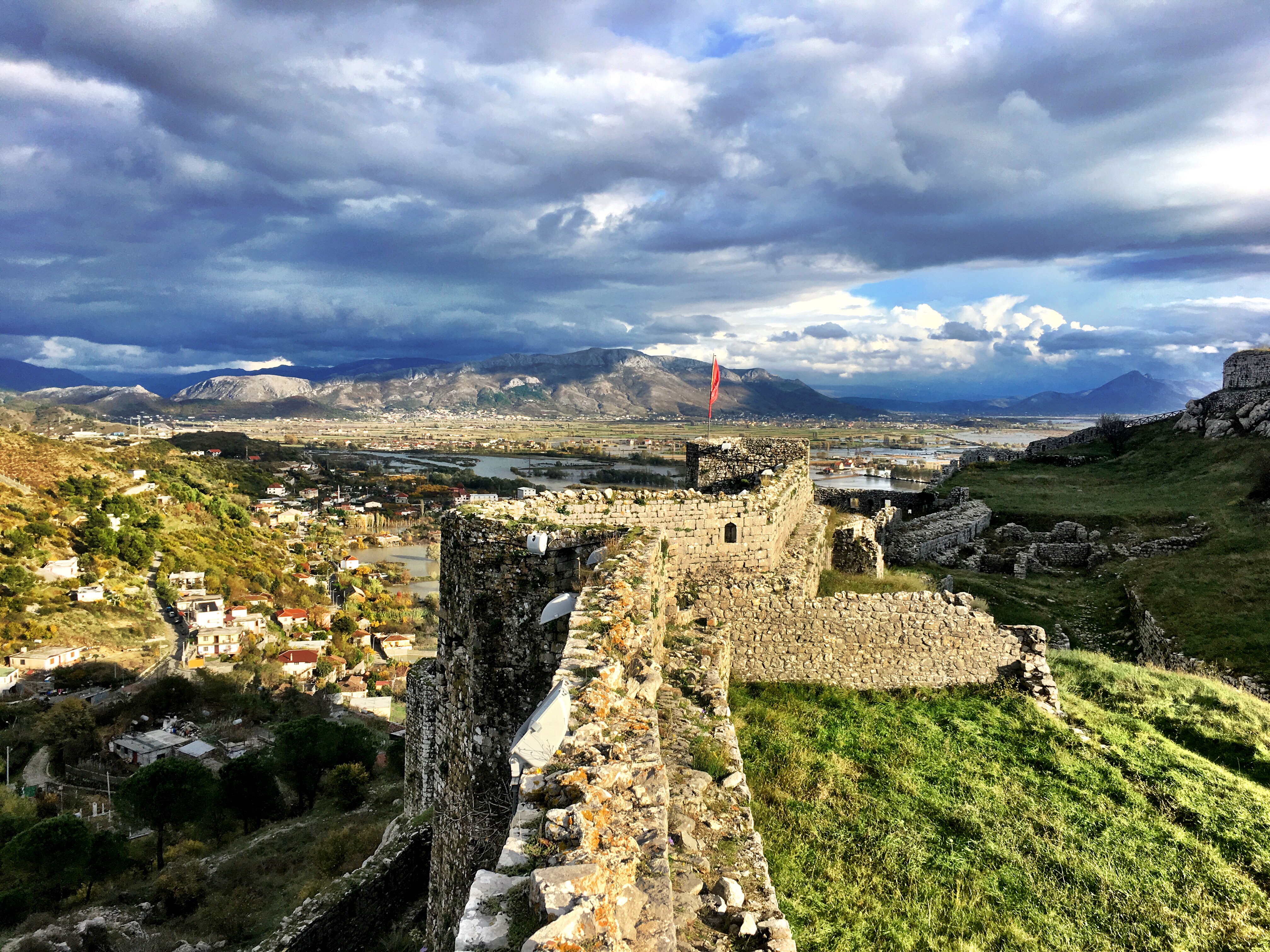
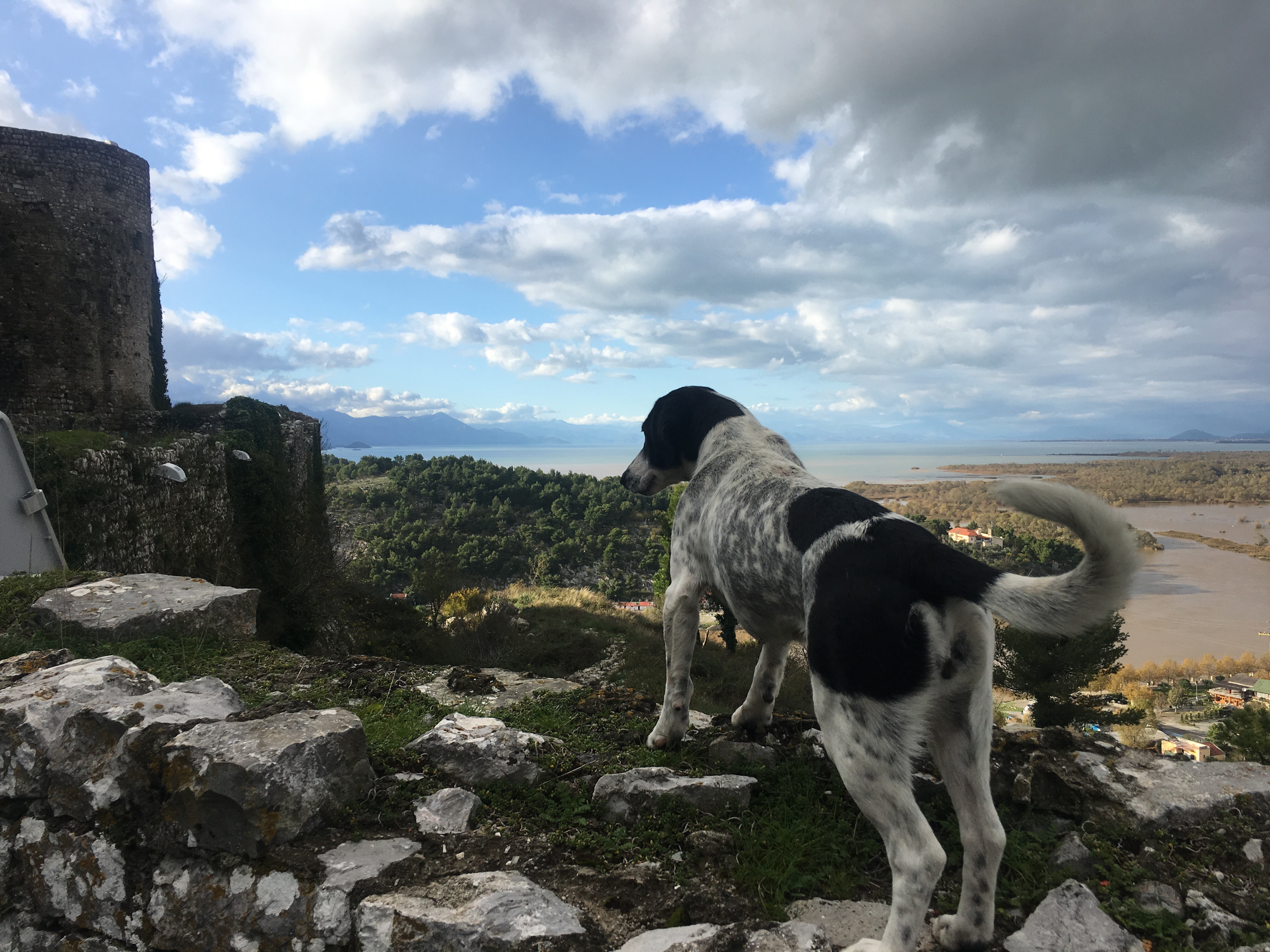
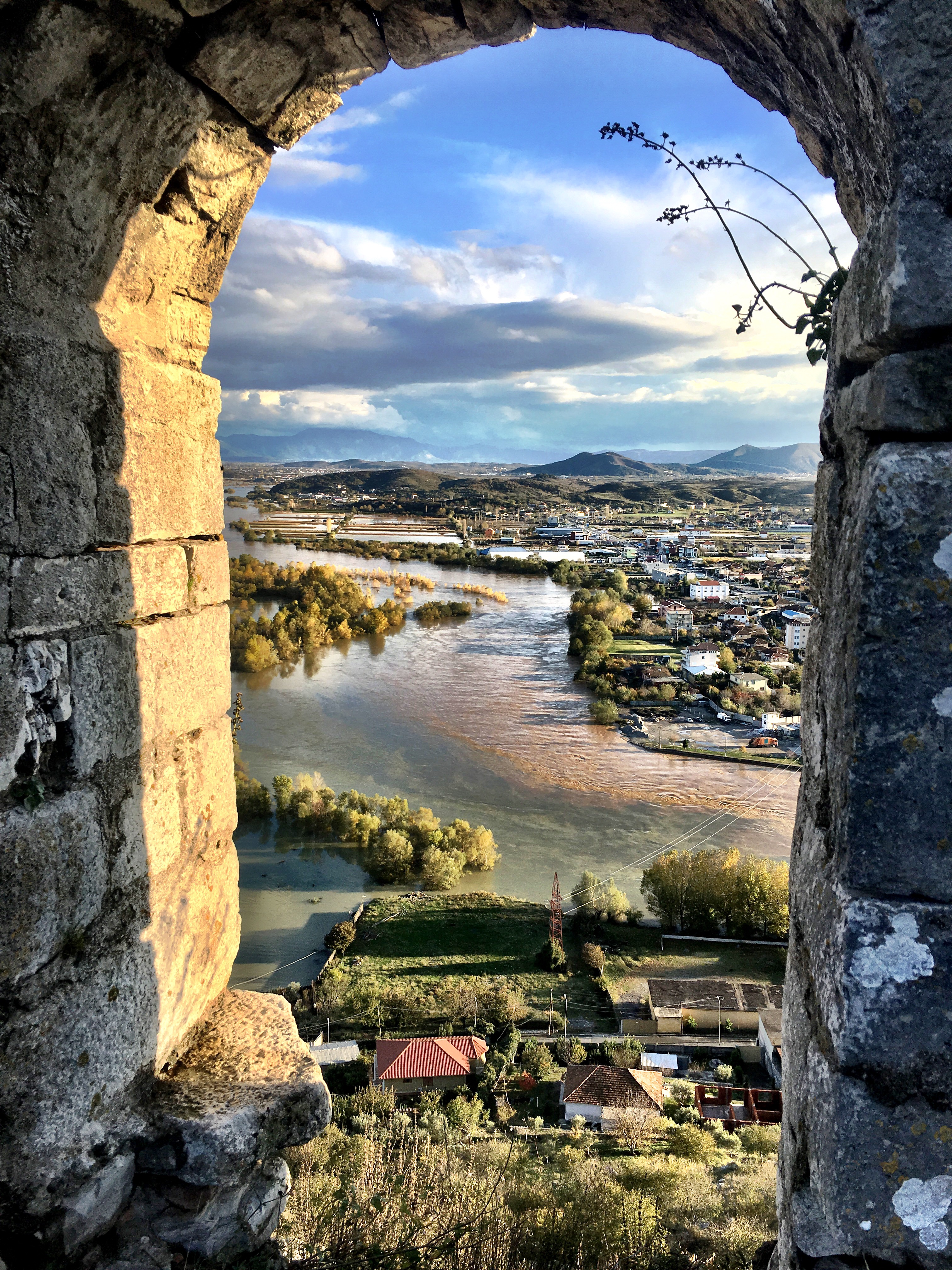
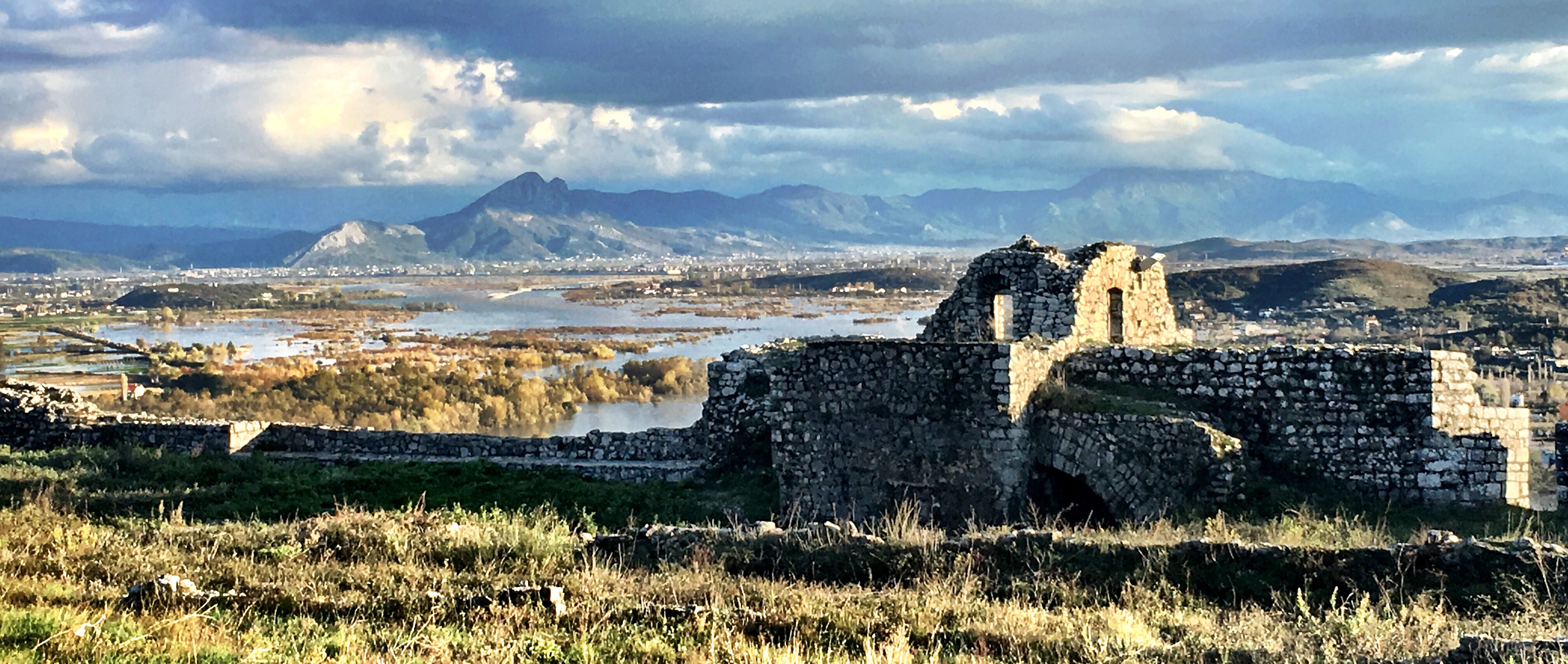
We spent a sunny afternoon exploring the fortress on the outskirts of the city. We acquired a stray dog as our tour guide for the afternoon ( a common occurrence for us these days) and he stuck by our side for hours and we hiked around the castle ruins. The view from the fortress was spectacular, you could see the beginnings of the lake, mountains in the distance and the surrounding homes that stretched out across the plains. Sadly, the storms we experienced in Kotor had not escaped Albania. The country just had the worst rainfall since the 1960’s. The plains were flooded and homes were half emersed in the water. Tirana, the capital, had to close their schools due to the flooding in the city centre. It put a damper on the otherwise idyllic setting. 

Unfortunately, despite all my pining for warm white sand beaches, we made it to Albania a little too late in the year. The rains and cold weather meant hiking trips in the mountains were near impossible (and totally out of the question with the clothing we brought). The coastal cities were all but empty, and the beaches were less tropical and more… grey. We decided that Sarande, one of the most popular coastal cities in the South, was just too far out of our way to make the trip in late November. Alas, my dreams were shattered! Regardless, we enjoyed our time in Albania.

Everything was affordable. Food and wine were dirt cheap, and both were excellent! Albania was the first country we had come across in a while that had it’s own unique cuisine. All through the balkans most of the food has been Italian. Don’t get me wrong, I LOVE Italian food. But there’s only so much risotto and linguine that a girl can eat before going crazy. And the wine? I have been SO impressed with the wine throughout the entire region. Balkan wine isn’t really on my list of “must-try” wine regions, and yet, it is top notch (And you can’t go wrong with a half litre for 3 dollars at a restaurant). 

After a few days in Shkoder we headed south to Tirana. I have friends that have been teaching at an International school in Tirana for a year and a half now. They were nice enough to let Jodon and I stay with them for the weekend. For most of our stay we wandered around the neighbourhood, checking out fun local pubs and favourite restaurants. 

The city of Tirana is strange. It has an unusual combination of modern buildings and communist style architecture: such as the concrete pyramid that used to be the presidential headquarters. An impenetrable looking conical fortress that sits right in the heart of the city. Once an important government building, now an area where teens climb up the steep sides and sit, watching over the city. 

Jodon looked up some sites for us to see while we were in Tirana. 

“It looks like Bunk Art is the number one thing to see on Trip Advisor. It’s just ten minutes from here. Interested?” He asked.

“Sounds super hipster. I’m in.”

I imagined an abandoned old war bunker with graffiti. Something that had once been an eye-sore but that the city had now commissioned for more professional looking spray paint art. Colourful, creative, and a good use of old communist spaces. It was nothing of the sort.

I feel like the name “bunk art” is a little misleading. “Bunk,” OK. “Art?” No. But we were pleasantly surprised nonetheless. The place was an old war bunker built sometime after WWII. It was meant to house the government in case of a nuclear or chemical attack. The place was massive. It could hold a community of hundreds for years on end. The bunker was built into the side of a mountain and went deep underground. It was filled with narrow concrete corridors and bare rooms. Imagine the most depressing place to live ever: no windows, no art (ironically) and no creature comforts. This was Bunk Art. The rooms were decorated with photos and information about the communist rule over Albania. The fortress was a maze of small square rooms used as bedrooms or meeting spaces, but also, surprisingly, held a large theatre room for entertainment. We wandered around the bunker for a couple hours, lost inside the monotony of rooms, learning about Albanian history. The whole time I just kept waiting for the “art” part, but it never came. 

Our stay in Albania was nice, but not quite what I had anticipated. The crystal waters and white sand had disappeared with the warm summer months and we were left with rain and grey. It’s times like this that I realize why it’s called an “off season”. Although I still enjoyed Albania, I’ll make sure to make my next trip during the summer!